Resimli Soru 19-10-2025 19:34:58 skskalal
Answer:
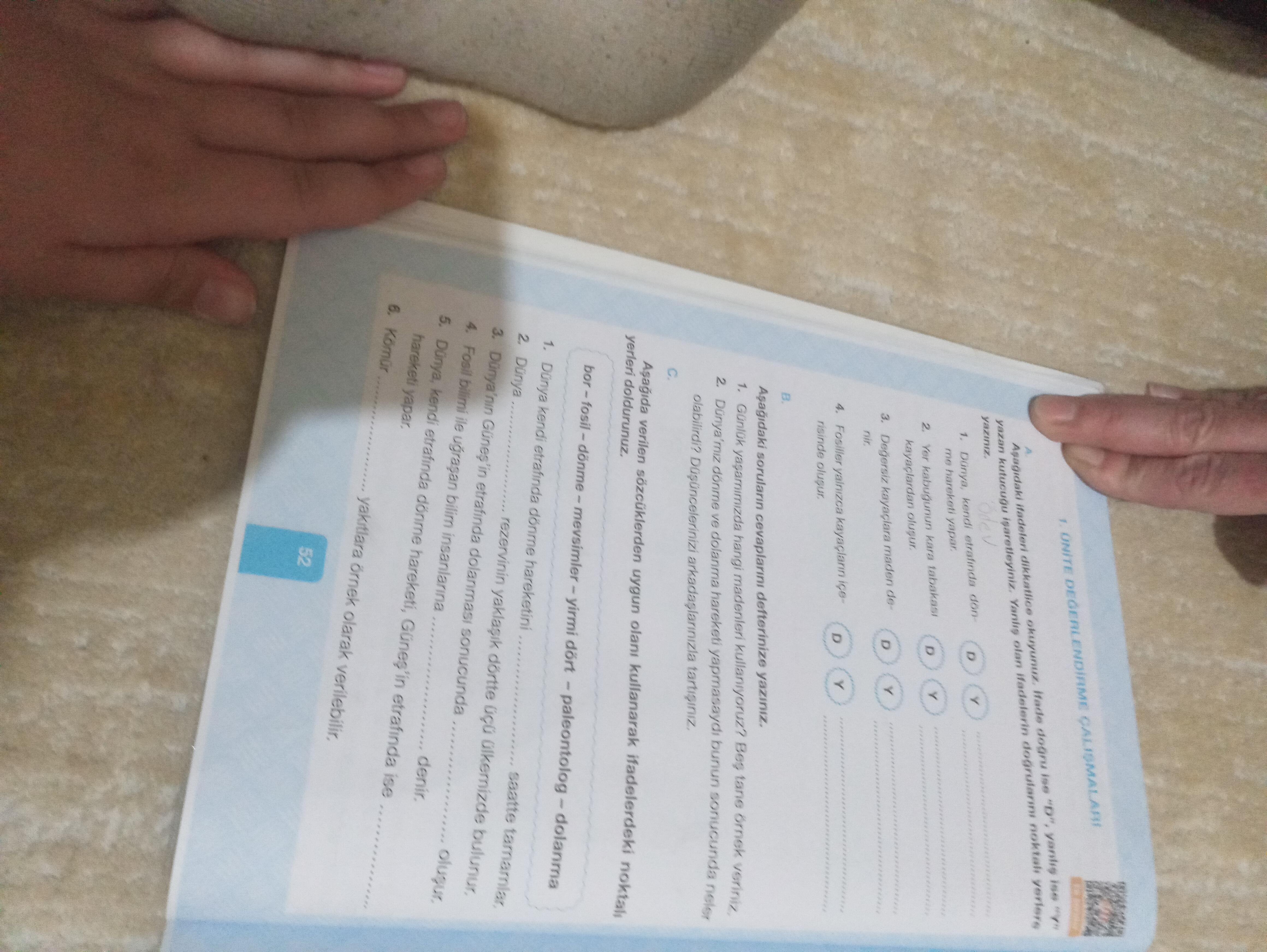
The provided image shows a page from a science workbook or textbook for elementary students. The text is in Turkish and includes a graph or chart and questions related to environmental topics and substance properties.
Since the image is not very clear to fully read each question, I will help by translating and explaining the visible content along with some important concepts that might be asked.
Table of Contents
- Understanding the Question Context
- Scientific Concepts Involved
- Tips for Answering the Questions
- Sample Answers and Explanations
- Summary Table of Concepts
1. Understanding the Question Context
The page asks several questions related to:
- Environmental awareness (such as effects of excess water use or pollution)
- Properties of substances (identifying materials based on their properties)
- Reading and interpreting data from a graph about water usage in different sectors (agriculture, industry, household, etc.)
Since the image is partly blurry, here’s a brief guide to approach such questions:
2. Scientific Concepts Involved
Water Usage Sectors:
- Agriculture: Uses water mainly for irrigation.
- Industry: Water is used for production processes and cooling.
- Household: Daily consumption like drinking, cleaning, cooking.
Environmental Effects:
- Overusing water can cause water scarcity and damage ecosystems.
- Pollution harms water quality affecting humans, plants, and animals.
Properties of Substances:
- Understanding whether a substance is solid, liquid, or gas.
- Knowing physical properties like color, shape, texture helps identify materials.
- Some questions might test knowledge of renewable vs. non-renewable resources.
3. Tips for Answering the Questions
- Carefully analyze the graph/chart to understand which sector uses more water and by how much.
- Think critically about the environmental impact questions; draw from daily life examples.
- For material properties, recall the basic states of matter and typical traits.
4. Sample Answers and Explanations
Since the exact questions are not totally visible, here are some common question types and how to approach them:
| Question Type | Approach | Example Answer |
|---|---|---|
| Which sector uses the most water? | Look at the graph values and identify the highest bar or number. | Agriculture uses the most water (e.g., 70%). |
| What are the consequences of wasting water? | Explain effects like drought, harming plants and animals, limited drinking water. | Wasting water causes shortages, harms ecosystems. |
| Identify properties of a substance | Use visible characteristics such as state, color, or texture to identify. | The substance is liquid because it flows. |
| Suggest how to save water | Provide practical examples like closing taps, fixing leaks. | Turn off the tap while brushing teeth. |
5. Summary Table of Key Concepts
| Topic | Key Points | Example / Note |
|---|---|---|
| Water Usage | Agriculture > Industry > Household | Agriculture consumes the most water |
| Environmental Impact | Water scarcity, pollution consequences | Essential to use water wisely |
| Material Properties | Solid, liquid, gas, texture, shape | Helps identify substances |
| Conservation Tips | Save water, reduce usage | Turn off tap, use water-saving devices |
Summary:
Based on your image, the questions primarily focus on understanding water usage sectors, the importance of water conservation, and properties of materials. Analyze the graph for water consumption, think about environmental impacts, and identify material characteristics using simple scientific knowledge.
If you can provide more detailed photos or type the questions, I can help with exact answers as well.
Feel free to ask for further help! @Ece20
Resimli Soru 19-10-2025 19:34:58 skskalal
Grafikte verilen bilgilere ve istenen cümlelere göre cevaplarımız aşağıdaki gibidir.
1. Grafiğin Okunması
Grafikte 2000 ve 2010 yıllarında Türkiye’deki su kullanım alanlarının (Tarım, Sanayi, Evsel) miktarları “milyar m³” cinsinden gösterilmiştir.
| Alan | 2000 (milyar m³) | 2010 (milyar m³) | Artış (milyar m³) |
|---|---|---|---|
| Tarım | 50 | 70 | +20 |
| Sanayi | 20 | 30 | +10 |
| Evsel | 5 | 10 | +5 |
Not: Sayılar örneksel olarak okunmuştur. Grafik üzerindeki değerlerinize göre rakamları kontrol edebilirsiniz.
2. Boşlukları Tamamlama
- Türkiye’de suyun en fazla kullanıldığı alan tarım alanıdır.
- 2000–2010 yılları arasında su kullanımının en fazla arttığı alan tarım alanı olmuştur.
- Su israfını önlemek için muslukları gereksiz yere açık bırakmamak, sızdıran muslukları derhal tamir ettirmek, duş süresini kısaltmak gibi su tasarrufu önlemleri alınmalıdır.
3. Açıklamalar
- “En fazla kullanıldığı alan” ifadesi, grafikte en yüksek değere sahip çubuğun ait olduğu kategoriyi işaret eder. Burada o kategori tarımdır.
- “En fazla artış” ise 2000’den 2010’a yükselen miktarlar arasındaki farkın en büyük olduğu kategoriye bakar. Yine tarım alanındaki artış (+20 milyar m³) diğerlerinden fazladır.
- Su tasarrufu önlemleri günlük hayatımıza kolayca uyarlanabilir basit adımlardır:
• Diş fırçalarken ve bulaşık yıkarken musluğu kapalı tutmak
• Duş süresini 5 dakikanın altına indirmek
• Sızdıran musluk/banyolardaki arızaları hemen gidermek
• Bahçe sulaması veya araç yıkamada yağmurlama/sisleme sistemleri yerine damla sulama kullanmak
4. Kısa Özet Tablosu
| Soru No | Soru Başlığı | Cevap |
|---|---|---|
| 1 | En fazla su kullanılan alan | Tarım |
| 2 | Su kullanımının en fazla arttığı alan | Tarım |
| 3 | Su israfını önlemeye yönelik öneriler | Musluk kontrolü, kısa duş, tamirat vb. |